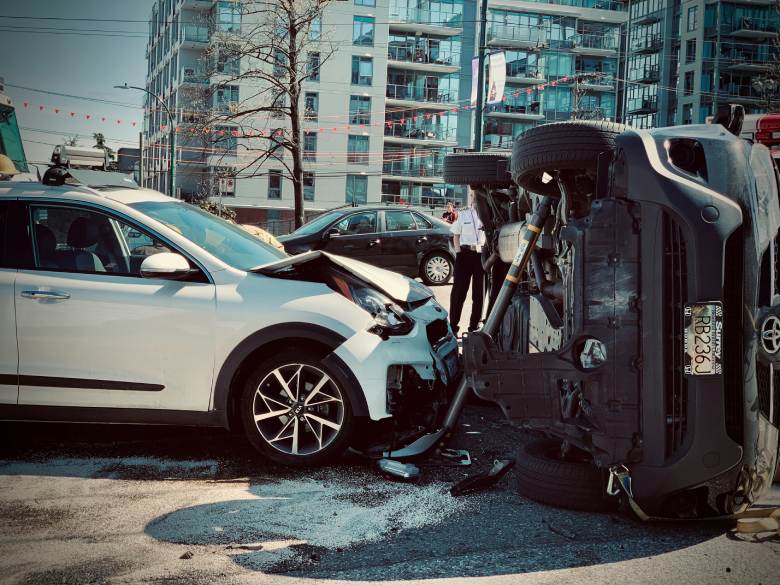

The Hidden Risks of Parking Lot Accidents at the Beach
- News 02 October, 2026
Parking lots may not seem as dangerous as busy highways or crowded intersections. Cars are usually moving at low speeds, people are searching for parking spaces, and everything can feel a little more relaxed.
But parking lots near the beach can be more dangerous than they appear.
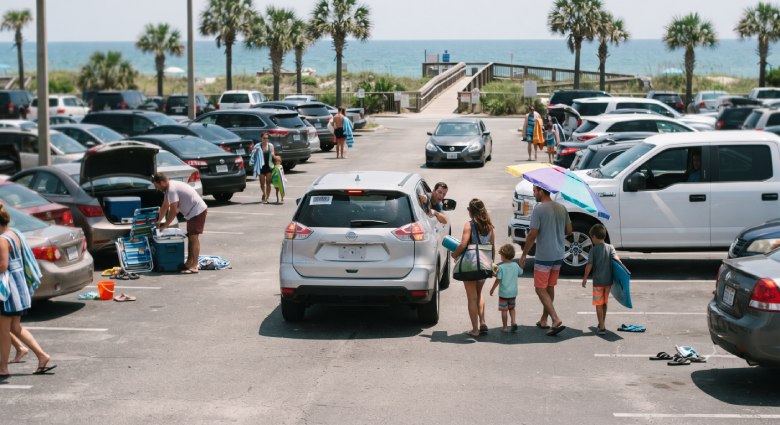
Around hotels, restaurants, beach entrances, shops, and tourist attractions, drivers and pedestrians are constantly moving through the same tight spaces. Add tired families, beach bags, coolers, strollers, unfamiliar roads, and drivers who are focused on finding a parking spot, and an accident can happen quickly.
Here are some of the less obvious risks to watch for when driving or walking through a beach parking lot.
Distractions Are Everywhere
A beach day can start with excitement and end with everyone feeling tired and ready to get home. In between, there are plenty of opportunities for distraction.
Drivers may be searching for an open parking space, checking directions, listening to passengers, or trying to figure out where the beach entrance is. At the same time, pedestrians may be carrying chairs, umbrellas, coolers, bags, or helping young children navigate the parking lot.
Someone can easily step out from between two parked cars without realizing a vehicle is approaching.
The best thing drivers can do is slow down and treat the entire parking lot as a shared space.
Before moving, take an extra moment to check your mirrors, look over your shoulder, and scan the area around the vehicle. Do not assume someone will see you simply because your car is moving.
Backing Out Is Riskier Than It Looks
Backing out of a parking space is a common point of conflict in parking lots because visibility is often limited.
A large SUV or truck parked beside you can block your view. Beach gear may be stacked around nearby vehicles, and another driver may be pulling into or out of a space at the same time.
Pedestrians are another concern. Someone walking behind your vehicle may not realize you are preparing to reverse. Young children can be especially difficult to spot because of their height and because they may move suddenly between parked cars.
Before backing out:
-
Look behind your vehicle before getting inside.
-
Check your mirrors and backup camera.
-
Reverse slowly.
-
Stop if you cannot see clearly.
-
Watch for pedestrians, bicycles, carts, and pets.
-
Be ready to brake immediately.
Backup cameras, parking sensors, and rear cross-traffic alerts are useful safety features, but they should not replace physically looking around the vehicle. Research from the Insurance Institute for Highway Safety has found that these technologies can help reduce certain types of backing crashes.
Pedestrians Can Appear Without Warning
Beach parking lots are often filled with people moving in every direction.
Some may be heading toward the water, while others are walking back to their cars carrying towels, food, toys, chairs, or coolers. People may cross outside marked walkways or step out from between larger vehicles where they are difficult to see.
Drivers should never assume a pedestrian has noticed them or will stop.
If you are walking through a parking lot, try to stay where drivers can see you. Avoid walking directly behind a vehicle with its reverse lights on, and make eye contact with drivers whenever possible. If you are with children, keep them close while walking between parked vehicles.
Drivers should use extra caution near:
-
Beach access paths
-
Hotel entrances
-
Restaurant pickup areas
-
Crosswalks
-
Accessible parking spaces
-
Loading zones
-
Areas where families are unloading beach gear
These are places where people are especially likely to enter the path of a moving vehicle.
Even a Small Collision Can Cause Problems
Because parking lot crashes often happen at low speeds, it can be tempting to dismiss them as minor.
But damage is not always obvious.
A bumper may appear fine while a parking sensor, camera, light, bracket, or other component underneath has been damaged. People involved in the crash may also disagree later about which vehicle was moving or who had the right of way.
Things can become even more complicated in a tourist area when drivers are visiting from different states or one of the vehicles is a rental.
If a collision happens, do not assume it is too minor to document.
Take photos of both vehicles from several angles, including areas that do not appear damaged. Exchange contact and insurance information, and make a note of the exact location, date, time, and what happened.
If someone is injured or the damage appears significant, contacting law enforcement may also be appropriate.
In South Carolina, certain crashes that are not investigated by law enforcement must be reported to the state's motor vehicle agency when they involve injury, death, or total property damage of $1,000 or more. The required report generally must be submitted within 15 days.
Right of Way Can Become Confusing
Unlike public roads, parking lots do not always have clear lane markings, traffic lights, or signs telling drivers exactly who should go first.
That can lead to confusion when two vehicles reach the end of an aisle at the same time, when someone is backing out of a space, or when two drivers try to pull into the same open spot.
A little patience can prevent many of these situations from turning into accidents.
Helpful habits include:
-
Yielding when your view is limited.
-
Avoiding a rush for an open parking space.
-
Using your turn signal when entering a space or changing direction.
-
Driving slowly through parking aisles.
-
Coming to a complete stop at posted stop signs.
-
Giving pedestrians plenty of time to cross.
-
Avoiding shortcuts across rows of empty parking spaces.
Getting a parking spot a few seconds faster is not worth risking a collision.
Rental Cars Can Make Parking More Difficult
Tourists are often driving vehicles they are not familiar with.
A rental car may be wider, longer, or more sensitive to braking than the vehicle you normally drive. Mirror positions, blind spots, backup cameras, gear selectors, and safety features may also be different.
Before leaving the rental lot, spend a few minutes getting comfortable with the vehicle.
Adjust the mirrors and seat, locate the hazard lights, test the backup camera, and make sure you understand the basic controls. It’s also a good idea to have the rental agreement and emergency contact info for the rental company in an easily accessible place.
If you’re in an accident, call the rental company as soon as reasonably possible and follow the reporting instructions in your agreement. Photograph the scene and obtain copies of any receipts and emails, text messages, or other communication about the crash.
Conclusion
“Beach parking lots may seem laid back, but they still demand your full attention.”
Crowds, poor visibility, distracted pedestrians, and unfamiliar vehicles and drivers looking for parking can present plenty of opportunities for a crash.
Slow down, watch carefully before you move, and give the people around you a little extra time and space. A minute or two extra in a crowded parking lot can keep a beach day from becoming a costly, stressful experience.
This article is for general safety information only and is not intended as legal or insurance advice. The reporting requirements and insurance obligations may differ, depending on the circumstances of an accident
The Hidden Risks of Parking Lot Accidents at the Beach

Legal Drinking Age in Florida: What Every Parent and Minor Should Know


Moving to New Zealand With a Partner: Understanding the Visa Pathway

How Professional Licensing Can Be Affected by Criminal Convictions

What to Do When an Insurance Company Disputes Your Accident Claim?

Website Archiving for Legal and Compliance Teams
Can an Emergency Justify Violating a Distracted Driving Statute?

Who Is Liable When Space Debris Falls Back to Earth?