
How Negligence Affects the Outcome of an Injury Claim
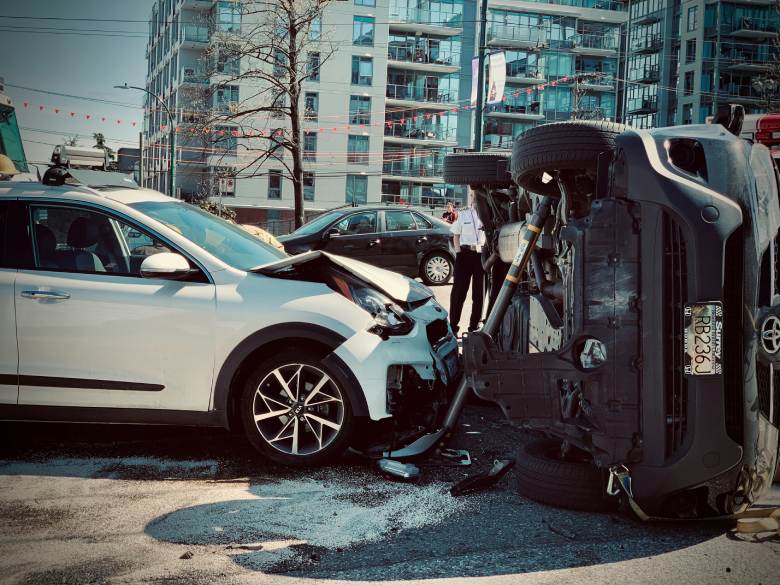
A traffic collision, workplace incident, defective product, or unsafe property condition can lead to medical treatment, missed work, financial pressure, and more. When another person's careless conduct contributed to the incident, an injured person may have grounds for a personal injury claim.
Negligence is one of the main legal concepts used to determine responsibility in these cases. It generally occurs when someone fails to exercise the reasonable level of care that the circumstances require. The presence of negligence, however, does not automatically determine how much an injured person can recover.
The extent of the injuries, insurance coverage, and the negligence rules applicable in the state can all affect the final outcome. Understanding how these factors relate to one another can give injured individuals a clearer idea of what to expect during an injury claim.
What Is Negligence in a Personal Injury Claim?
Negligence generally occurs when a person fails to use reasonable care, and that failure contributes to someone else’s injury. The person accused of negligence need not have intended to cause the injury. Careless conduct or failure to take reasonable precautions can be enough to create potential liability.
Justia notes that a plaintiff pursuing a negligence claim typically needs to establish four key elements:
-
Duty: The first consideration is whether the defendant had a legal duty to exercise reasonable care toward the injured person. Without an applicable legal duty, establishing negligence can become much more difficult.
-
Breach: The next consideration is whether the defendant failed to meet the required standard of care. A breach may result from either an action or an omission. A person may behave carelessly or fail to take a reasonable measure that could have prevented foreseeable harm.
-
Causation: Showing that someone behaved carelessly is not enough on its own. The injured person must show that the negligent conduct was connected to the injury.
-
Damages: Finally, an injury claim generally requires proof of actual damages. The type and severity of an injury can therefore significantly influence the potential value of a claim.
How Negligence Can Affect an Injury Claim
Negligence can influence almost every major stage of an injury claim. It can affect whether a claim succeeds, who is responsible, how much compensation may be available, and more.
In May 2026, a motorcyclist on I-405 near Renton, Washington, was seriously hurt after a vehicle drifted into his lane. He swerved, hit a puddle, lost control, and was thrown from the bike. A second vehicle subsequently ran over his foot, while neither driver stopped at the scene. In such cases, it is important to know about the applicable motorcycle accident laws.
Every state can have its own set of rules, which can affect negligence and a personal injury claim’s outcome. Washington state, for instance, has multiple statutes, as listed by Freeman Law Firm. This can include:
-
RCW 46.61.614
-
RCW 4.22.005
-
RCW 4.22.015
-
RCW 4.16.080, etc.
Now, RCW 4.22.005, for example, refers to pure comparative fault. This means that shared fault can reduce the recovery of damages.
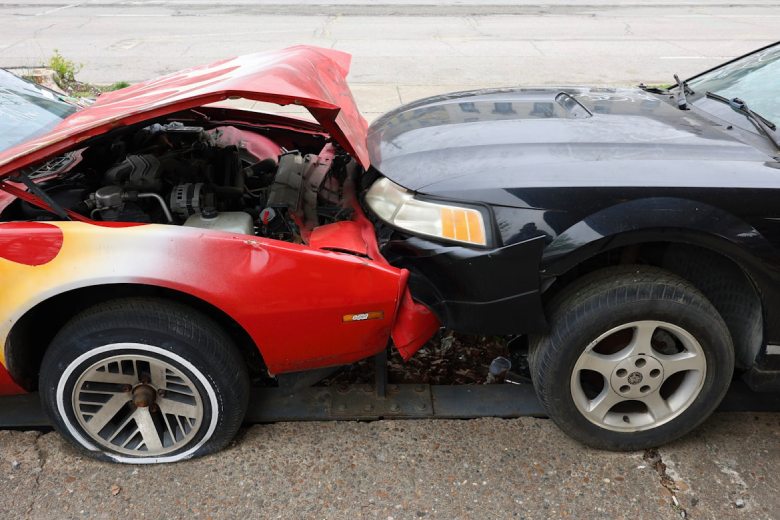
This becomes especially important when both sides offer different versions of events. A police report, photographs, witness accounts, video footage, vehicle damage, medical records, and accident reconstruction evidence may help establish what occurred.
Different Parties May Share Responsibility
A negligence claim can sometimes involve parties other than the person who directly caused the injury. Under a legal principle called vicarious liability, an employer may be held responsible for an employee’s negligent conduct. If a delivery driver runs a red light while performing job duties, the employer could potentially share responsibility for the resulting accident.
This can be significant because businesses may have greater financial resources to satisfy a judgment. In some situations, property owners and product manufacturers may also bear legal responsibility. Determining all parties who could bear responsibility can play an important role in pursuing the full compensation available for an injury.
Other cases can involve manufacturers, property owners, contractors, government entities, or additional parties. It can therefore be important to identify every party that may be legally responsible before resolving a claim.
Insurance Companies Examine Negligence Too
Insurance companies generally have a significant interest in establishing who caused an accident. In most states, the at-fault driver’s liability insurance generally covers the other party’s injuries and damages. Twelve states use no-fault insurance systems, where each driver’s insurance generally pays for their own injuries regardless of who caused the accident.
After receiving a claim, an insurer may investigate the circumstances, review available evidence, assess the policy, and evaluate the claimed injuries. The information available to the insurer can influence settlement discussions.
For this reason, an injured person should avoid making unsubstantiated statements about who was at fault. A statement made immediately after an accident may later be interpreted as an admission of responsibility.
Even an innocent comment can become problematic if it is taken out of context or conflicts with other evidence. It is generally better to provide factual information and avoid guessing about issues that have not yet been established.
When Technology Complicates the Question of Fault
Negligence law was developed around decisions made by people, but advances in technology are challenging that traditional framework. Courts are now being asked to apply negligence principles to injuries or losses linked to artificial intelligence (AI) systems.
Judges may need to determine what conduct a reasonably prudent AI developer or operator should be expected to exhibit. As technology advances, existing laws can sometimes struggle to address new developments. This is particularly true as automated systems assume responsibilities that were once handled by people.
“The law has always struggled to keep up with technological change. But with AI, the pace of change is so rapid that this gap feels less like a step and more like a widening gulf,” said Dr Sarah Townley, the MPS’s deputy medical director.
Healthcare provides a clear example of how these issues are emerging. In the UK, doctors have been warned that they could face negligence claims when AI diagnostic tools make errors. Under existing legal principles, a clinician may still be held responsible even if the underlying mistake came from the technology.
Frequently Asked Questions
How does negligence differ from an intentional act?
Negligence generally involves careless conduct that causes harm, while an intentional act involves conduct performed deliberately. For instance, a driver who causes a collision unintentionally because they were inattentive may be considered negligent. Someone who deliberately uses a vehicle to cause harm would raise a different type of legal issue.
Can an injury claim be filed if there was no police report?
A police report can provide useful evidence, but its absence does not necessarily prevent someone from pursuing an injury claim. Other information, such as medical documentation, photographs, witness accounts, surveillance footage, and communications with involved parties, may help establish what happened. The significance of each type of evidence varies depending on the circumstances.
Can someone pursue compensation if the person who caused the injury has no insurance?
The fact that a defendant is uninsured does not necessarily prevent an injured person from seeking compensation. Depending on the circumstances, another insurance policy may provide coverage, including certain uninsured motorist provisions. A claimant may also have other legal options against responsible parties. The remedies available in a case largely depend on state law, applicable insurance policies, and the specific facts of the incident.
Key Facts and Statistics at a Glance
|
Key elements commonly used to establish negligence |
Duty, breach, causation, and damages |
|
The Washington motorcycle crash from May 2026 |
Involved a vehicle drifting into the rider's lane and a second vehicle that struck his foot |
|
How many states follow no-fault auto insurance systems |
12 states |
|
Pure comparative fault |
Allows damages to be reduced based on a person's share of fault |
|
AI-related negligence |
It is creating new questions about responsibility when technology contributes to harm |
Negligence can influence nearly every stage of an injury claim. Establishing that another party failed to exercise reasonable care is an important step. However, a successful claim may also require proof of causation, documentation of damages, and a response to allegations of shared responsibility.
Police reports, photographs, witness statements, and other evidence can help establish what occurred and document the effects of an injury. Comparative negligence can further affect the amount an injured person may recover. For someone dealing with an injury caused by another person's conduct, understanding this relationship provides a clearer picture of the legal process.

Can an Emergency Justify Violating a Distracted Driving Statute?

Who Is Liable When Space Debris Falls Back to Earth?
How Negligence Affects the Outcome of an Injury Claim