
Managing Car Accident Claims Involving Parking Lot Crashes
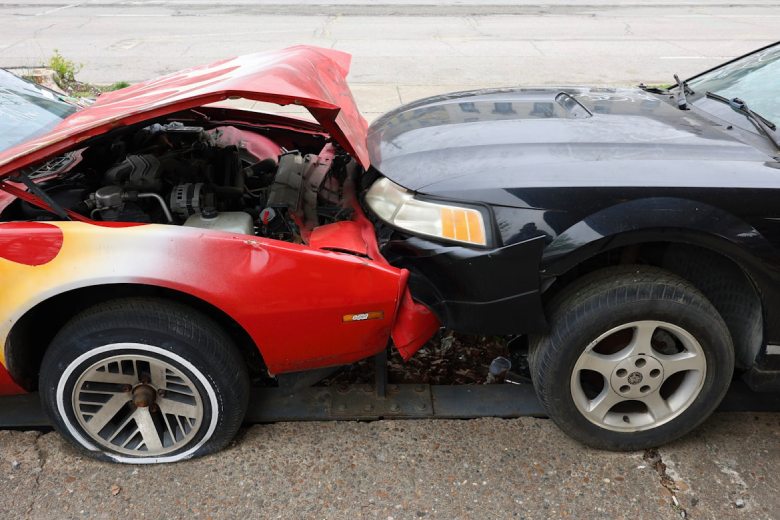
Every year, car accidents lead to damages worth millions in the US. Often, lives are also lost.
In 2024, the National Highway Traffic Safety Administration estimated that 39,254 people died in motor vehicle traffic crashes across the United States. This high volume highlights how frequent and widespread motor vehicle incidents remain nationwide. Continued vigilance is essential for drivers regardless of whether they are on open highways or navigating private lots.
Parking lot crashes can seem less serious than collisions on busy roads, but claims can become surprisingly complicated. Drivers often assume low speeds mean there cannot be significant damage or injuries. Unfortunately, even minor-looking collisions can create disagreements about responsibility, insurance coverage, and repair costs.
If you are involved in one of these crashes, staying organized can make the claims process much easier. Knowing what information to collect can also protect your interests later. The following tips can help you handle your claim without making unnecessary mistakes.
Start With A Clear Post-Accident Checklist
Knowing what to do after a car accident can help you stay calm during an overwhelming situation. Your first priority should always involve checking whether anyone needs immediate assistance or emergency medical care. Once everyone appears safe, move vehicles away from traffic when conditions allow.
The Centers for Disease Control and Prevention reports that car crashes led to almost 3 million emergency department visits just a few years ago. These injuries resulted in overall economic costs exceeding $457 billion nationwide. Promptly executing a post-accident checklist ensures medical assistance is rendered without delay.
The steps to take after a car accident should also include exchanging information with everyone involved. Collect names, phone numbers, driver's license details, and insurance information whenever possible.
Your post-accident checklist should include photographing vehicles, license plates, parking spaces and surrounding conditions. You should also file a car accident report when local requirements or circumstances make reporting appropriate.
Lesser, Landy, Smith & Siegel, PLLC also recommends you be vigilant about what you post on social media after the crash. Anything you post can become available to the other side once a case is in litigation.
Report The Crash To Your Insurer Carefully
Reporting a car accident to insurance should happen promptly, even when the damage initially seems minor. Insurance policies often contain specific requirements about when and how accidents must be reported. Delaying notification could create unnecessary questions about your compliance with those requirements.
When speaking with an insurer, stick to accurate facts rather than guessing about responsibility. Explain what happened without making assumptions about another driver's intentions or behavior. Avoid casually saying that you caused the accident before the evidence has been reviewed.
The claims representative may ask for photographs, reports, witness details, and other documentation. Provide accurate information, but carefully review statements before submitting them. Keep records of every call, email and document exchanged during the claims process. Organized communication can help you track what was said and when it happened.
Take Injuries Seriously, Even After Minor-Looking Crashes
Seeking medical attention should remain a priority after any parking lot collision involving possible injuries. Some injuries may not become obvious until hours or even days after the crash. Adrenaline can temporarily hide discomfort, making an accident appear less serious than expected.
A medical evaluation can help identify injuries and establish appropriate treatment recommendations. Keep copies of medical records, bills, and other documents connected with your treatment. These records may become important when an insurer evaluates injury-related compensation.
You should also follow your healthcare provider's recommendations instead of ignoring symptoms after feeling better. Skipping appointments or stopping treatment prematurely can complicate your recovery and insurance claim.
If symptoms develop later, inform your healthcare provider about the earlier collision. Prompt medical attention protects your health while creating useful documentation for your claim.
Consider Legal Help When Responsibility Becomes Disputed
Hiring a car accident lawyer may become useful when the insurance process turns complicated or contentious. Legal guidance can be particularly valuable when multiple drivers, pedestrians, or businesses may share responsibility.
Data released by the National Safety Council notes that despite a 12% projected nationwide drop, total fatalities still remain elevated compared to historical safety targets. An attorney can analyze property maintenance records, camera feeds, and complex fault factors when insurance companies dispute legitimate claims.
A lawyer can review available evidence and explain how applicable laws could affect your claim.
Parking lot crashes can involve unusual questions about right-of-way, property rules, and driver behavior. Some collisions may also involve poorly maintained surfaces, confusing signs or inadequate lighting. Determining whether another party shares responsibility can therefore require careful investigation.
You should consider legal assistance when an insurer disputes liability or offers compensation that seems inadequate. A lawyer can communicate with insurers and help protect your interests during negotiations. Legal representation may also become important if your injuries are significant or long-lasting.
FAQs
How do insurance companies determine liability in parking lot collisions?
Insurers review photos, damage patterns, witness statements, surveillance footage and drivers’ accounts to determine who caused the collision. They may consider traffic signs, right-of-way rules and each driver's actions. Because parking lot layouts and state laws vary, liability may be shared between drivers in some cases.
What happens if someone hits your parked car and leaves without leaving a note?
Report the incident to the police and your insurance company as soon as possible. Photograph the damage and surrounding area, then check for witnesses or surveillance footage that could identify the driver. Depending on your coverage and state law, uninsured motorist or collision coverage may help pay for repairs.
Does hit-and-run insurance cover damages caused in a store parking lot?
It can, depending on your policy and state laws. Uninsured motorist property-damage coverage may cover certain hit-and-run losses, while collision coverage may also apply. Check your policy for coverage requirements, deductibles, and exclusions, and report the incident promptly to your insurer and police.
Key Statistics and Data Points on Parking Lot Car Accident Claims
|
US motor vehicle traffic fatalities in 2024 |
39,254 |
|
Emergency department visits caused by motor vehicle crashes in a single year |
Almost 3million |
|
Overall economic costs of motor vehicle crash injuries nationwide |
More than $457 billion |
|
Projected nationwide decrease in traffic deaths |
12% |
Managing a parking lot accident claim becomes easier when you approach the process methodically. Start by making sure everyone is safe and documenting the circumstances surrounding the collision. Notify your insurer promptly while keeping your statements accurate and focused on established facts.
Take possible injuries seriously and maintain records throughout your medical treatment. These simple habits can prevent avoidable complications while giving you stronger documentation.
Not every parking lot crash requires legal representation, especially when responsibility remains straightforward. However, complicated liability questions can make professional guidance worthwhile. If insurers dispute your claim, consider discussing the situation with an experienced attorney. Most importantly, avoid rushing decisions before you understand your rights and available options.
Can an Emergency Justify Violating a Distracted Driving Statute?

Who Is Liable When Space Debris Falls Back to Earth?
How Negligence Affects the Outcome of an Injury Claim