
Can You Sue a Neighbor for Mental or Verbal Harassment? Understanding Your Legal Rights
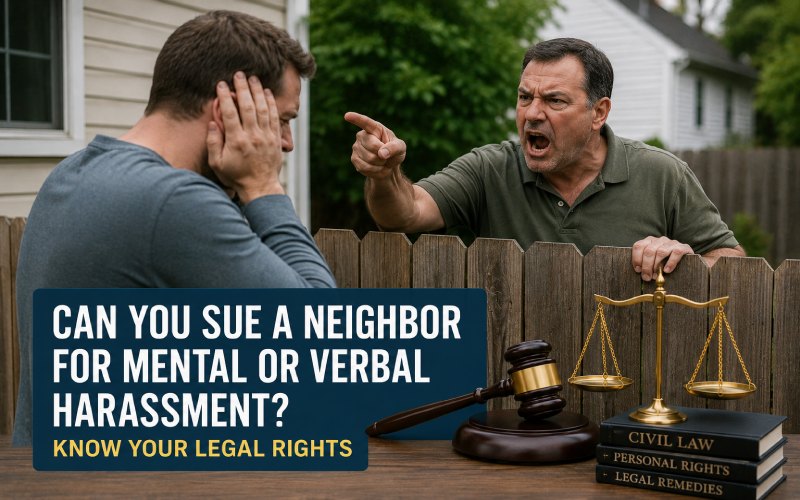
Neighbourhood is an important part of our lives. They are the ones who live closer to us than our relatives. If it becomes difficult to deal with them, it can be frustrating. Still, when things cross limits and turn into repeated threats, intimidation, or verbal abuse, the situation becomes much more serious than simple disagreements. It can affect your well-being, sense of safety, and enjoyment of your home. In such a situation, many people wonder whether they can take legal action against a neighbor whose behavior has crossed the line or not. If you are also thinking the same, then this guide will help you figure out what your next actions should be, so keep reading.
Can You Sue a Neighbor for Harassment?
Yes, you can sue a neighbor for harassment, but the legal claim will depend on factors like:
-
The nature of the conduct
-
How often did it occur
-
Whether threats or intimidation were involved
-
Whether the conduct caused measurable harm
-
Applicable state law
What Is Considered Harassment?
Before taking any legal action, it is important to understand what is considered harassment. In general terms, it means repeated or intentional conduct that seriously alarms, intimidates, threatens, or disturbs another person.
Examples may include:
-
Repeated verbal abuse
-
Threats of violence
-
Stalking
-
Persistent intimidation
-
Repeated unwanted contact
-
Conduct intended to cause emotional distress
Is Verbal Harassment Alone Enough?
A heated argument or offensive comment is not considered harassment. However, if it is happening repeatedly along with the threatening or intimidating behavior, then it may create legal issues.
When Can Mental or Emotional Harm Lead to a Lawsuit?
There are some cases when emotional or psychological harm supports a civil claim. Generally, when it results in:
-
Severe emotional distress
-
Anxiety
-
Depression
-
Sleep disturbances
-
Fear for personal safety
-
Ongoing psychological trauma
Other Legal Options Besides Filing a Lawsuit
Apart from filing a lawsuit, you can also consider:
-
Reporting threats to local law enforcement.
-
Seeking a protective or restraining order.
-
Filing complaints with local authorities if applicable.
-
Attempting mediation.
-
Documenting conduct for future legal action.
It is not always necessary to sue.
Evidence That Can Strengthen Your Case
In case of continuous harassment, it becomes crucial to preserve evidence. Evidence may include:
-
Text messages
-
Emails
-
Voice messages
-
Security camera footage
-
Photographs
-
Witness statements
-
Police reports
-
Medical or counseling records
-
A written log documenting each incident
Can You Recover Compensation?
Yes, it is possible to recover compensation if you win the lawsuit and it is allowed as per state laws or seems valid as per the facts of the case.
Potential damages could include compensation for:
-
Emotional distress
-
Medical or counseling expenses
-
Property damage
-
Financial losses
-
Other legally recognized damages
What If the Neighbor Makes Threats?
Threats of physical harm shouldn’t be taken lightly. If a neighbor is threatening violence, you should immediately contact law enforcement for further action. Depending on the seriousness of the case, they will take suitable measures.
When Should You Speak With an Attorney?
Legal advice should be taken in case of:
-
The harassment is ongoing.
-
Threats have been made.
-
You fear for your safety.
-
The conduct has caused significant emotional harm.
-
Law enforcement intervention has not resolved the problem.
An attorney can evaluate your situation and will help you make the right decision.
Common Mistakes to Avoid
If you're experiencing harassment, avoid:
-
Responding with threats or violence.
-
Destroying evidence.
-
Engaging in escalating confrontations.
-
Ignoring repeated threatening behavior.
-
Waiting too long to document incidents.
Avoiding these mistakes strengthens your position.
Frequently Asked Questions (FAQs)
Can I Sue My Neighbor for Verbal Harassment?
Yes, you can sue your neighbor for verbal harassment, but primarily in the case of continuous verbal harassment with supportive evidence.
What Evidence Should I Collect?
You should focus on collecting and preserving messages, videos, photographs, witness information, police reports, medical records, and a written timeline documenting each incident.
Can I Get a Restraining Order Against a Neighbor?
Yes, it is possible when a neighbor's conduct involves threats, stalking, harassment, or violence. The court may issue a protective or restraining order.
Conclusion
Not every disagreement and unpleasant interaction with a neighbor is treated as harassment and allows you to file a lawsuit. Harassment is a serious claim that involves continuous threats, stalking, or intimidating behavior. For more detailed information and to determine whether you should take legal action against your neighbor, you should consult with a qualified legal professional.

Website Archiving for Legal and Compliance Teams

Can an Emergency Justify Violating a Distracted Driving Statute?

Who Is Liable When Space Debris Falls Back to Earth?

How Negligence Affects the Outcome of an Injury Claim