

Common Law Marriage in Maryland: What It Is, What’s Allowed, and What You Should Know
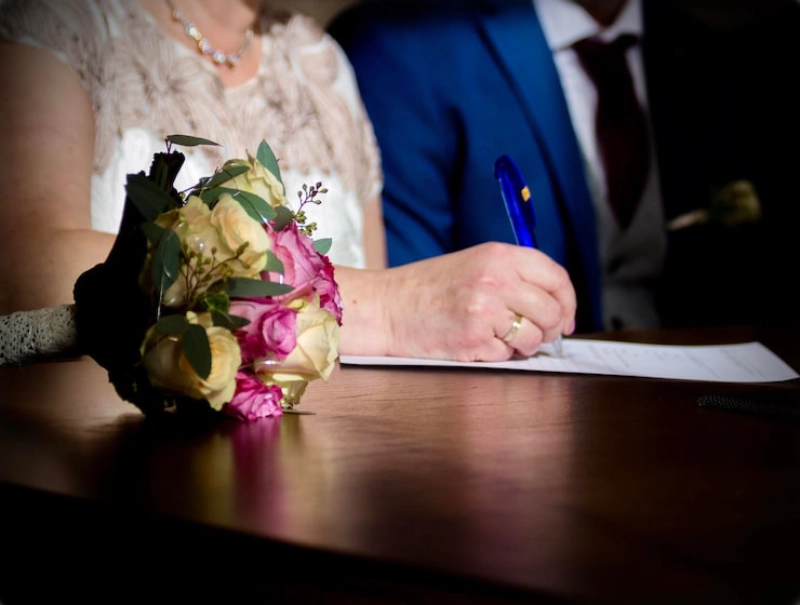
The rules around common law marriage are specific and often misunderstood due to their varying nature. Generally, "common law marriage” is a term used to describe couples who live together and consider themselves married without a formal ceremony or license. In Maryland, the definition of common law marriage is specific and follows a unique approach. It is an interesting topic, and we will discuss it in detail, so keep reading.
Does Maryland Recognize Common Law Marriage?
Maryland does not allow couples to form a new common law marriage. That means:
-
Simply living together in Maryland does not make you legally married
-
There is no specific time period after which cohabiting couples are automatically considered married
-
Terms like “common law husband” or “common law wife” have no legal effect under Maryland’s laws
So, irrespective of the years of living together, the state will not treat them as legally married, even if a couple claims so, unless they meet specific exceptions.
Exceptions: When Maryland Does Recognize Common Law Marriages
Maryland may recognize a common law marriage if it was validly formed in another state that allows common law marriage and:
-
The couple established it while living under the laws of that other state
-
It was acknowledged as a legal marriage before moving to Maryland
In these cases, Maryland generally recognizes the marriage for legal purposes, such as taxes, inheritance, divorce, even though Maryland itself does not create common law marriages.
Legal Impact of Not Having Common Law Marriage In Maryland
If a couple lives together in Maryland but doesn’t obtain a marriage license or have a formal ceremony, they will not have the same legal rights as married spouses unless they moved from another state with a valid common law marriage.
This rule impacts several rights, such as:
Property Rights
Unmarried couples do not automatically share ownership rights under Maryland law. Property isn’t divided like in a divorce unless legal agreements (e.g., cohabitation contracts) exist.
Spousal Support
There is no right to spousal support (alimony) if a couple separates, unless other legal frameworks apply.
Inheritance
Unmarried partners are not considered spouses for inheritance unless named in a will.
Health and Legal Benefits
Unmarried couples do not automatically inherit health or decision-making rights without legal documents (powers of attorney, advance directives, etc.).
What Maryland Couples Should Do Instead
As we have already discussed, Maryland does not allow new common law marriages, so couples living together are advised to follow one of these methods for legal protection:
Get Married Officially
The easiest way to secure spousal rights is to apply for a marriage license and have a formal marriage ceremony.
Use Legal Agreements
Contracts can help protect interests in property and finances:
-
Cohabitation agreements specify how assets and responsibilities will be divided if the relationship ends
-
Wills and estate planning ensure inheritance rights
-
Powers of attorney and healthcare directives give partners decision-making authority
Hold Joint Title If Desired
For physical assets like a home, couples can title property jointly—but joint ownership does not equal marriage. Proper legal advice is essential.
Why This Matters
There is a misconception in today’s couples that “living together equals marriage”, which leads to several unexpected problems, especially legal ones, when they decide to end their relationship or one partner passes away. In Maryland, categorizing a relationship as “common law” does not grant you the legal protections similar to those of married couples.
It is important to formally register your relationship to ensure unresolved matters don't become complicated and costly for partners and families.
Frequently Asked Questions (FAQs)
Does Living Together In Maryland Make Us Married?
Not at all, Maryland does not recognize new common law marriages formed within the state.
What If We Lived In A State That Allows Common Law Marriage Before Moving To Maryland?
In that scenario, Maryland may recognize and hold your relationship valid.
Can Unmarried Partners Inherit From Each Other In Maryland?
Not automatically, you must have a will or estate plan.
Conclusion
The common law marriage definition is not the same in every state, especially in Maryland, which adopts a unique approach in which common law marriages within the state are not valid. Still, if a couple had a common law marriage in a state where it was allowed before moving to Maryland, then it may be allowed. In this article, we discussed this topic in detail. We hope that you like reading this post and understand this concept in detail. If so, then do share this post with others as well. For any legal help, you can use our platform Legably to find the expert U.S. attorneys nearby and their communication details to schedule an appointment with them.